The safest facial for sensitive skin is here, with details on aftercare, costs, risks and the gentle steps of a calming treatment.
There is a simple rule to follow when it comes to what facial to get for sensitive skin: in lieu of any aggressive extractions or dramatic exfoliation, opt for a hydrating, calming treatment that will put the skin barrier at ease. A personalised facial is generally the best bet for most; one that is fragrance-free and involves a good consultation, some soothing hydration and not much by way of extraction.
I have been working under magnifying lamps as a Melbourne skin therapist and writer for years, and I have had my share of clients telling me precisely when their faces began to sting. My name is Eleanor Ashbury. Sensitive skin is no contest and there are no prizes for your cheeks putting up with a hard peel. Should you find your skin is hot, raw, itchy or tight, then a very unassuming treatment is the safest course of action, or better yet, none until the irritation has passed.
Choose A Calming Treatment
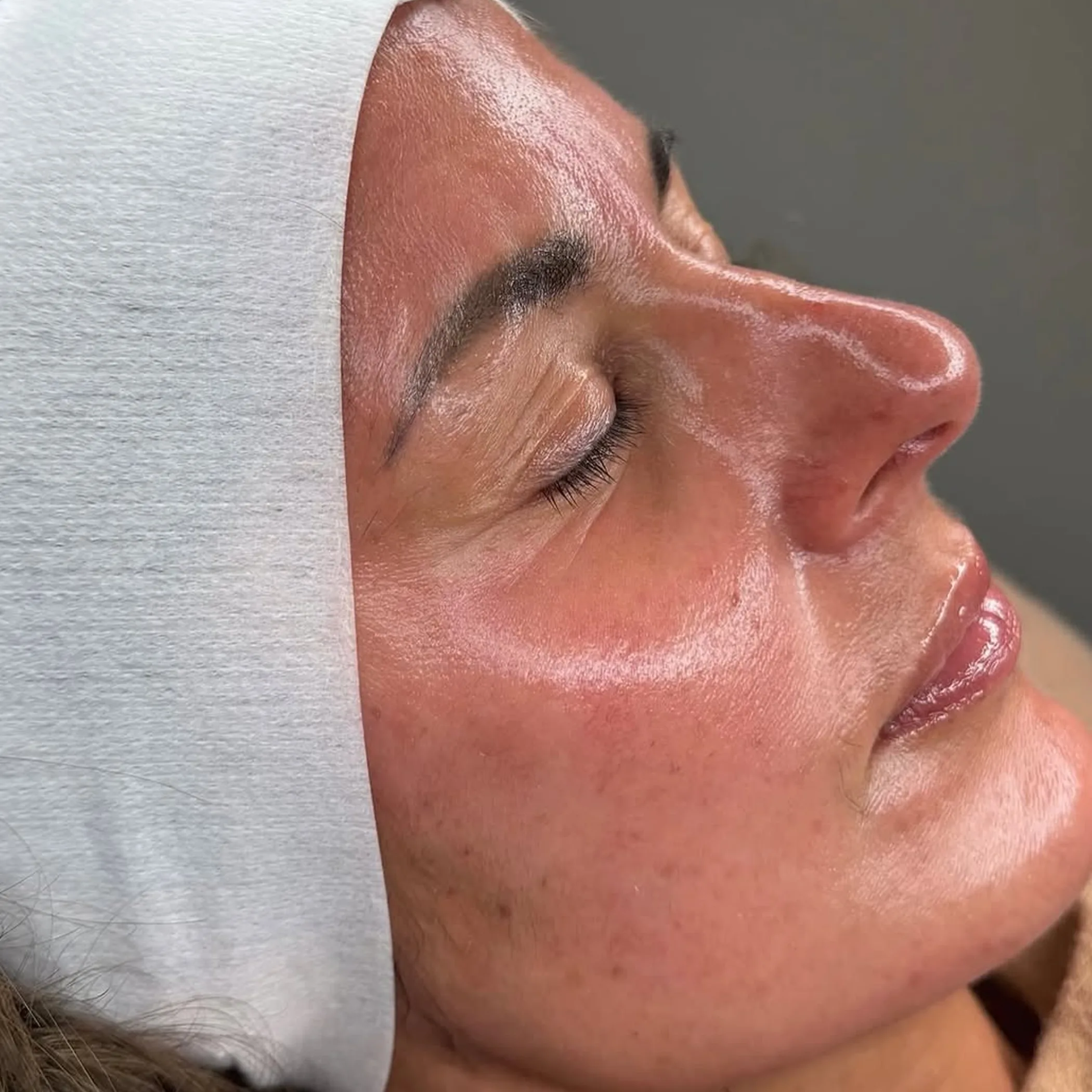
You want a facial that makes your skin less reactive and leaves it hydrated and at ease. One should not leave you as red as a tomato or with a mouth so tight you think you have entered a chilli-eating contest.
A proper appointment is preceded by a skin consultation. Your therapist is going to want to know about any burning you feel, sun exposure, rosacea or eczema, recent procedures and medications, not to mention allergies and what products you are using. An inspection of the skin will be made before they put any device or product to it.
What The Facial Includes
In a gentle treatment you can expect a lukewarm compress (nothing hot), a fragrance-free cleanse, a mask to soothe and a plain moisturiser. There may be some light massage if the skin is amenable to it. The therapist might put an UltraCalming Cleanser or the like to use, but do not be swayed by the label, the ingredients are what count.
Exfoliation is something of an option. A low-strength lactic acid or an enzyme facial of the mildest sort may be employed, but at the first sign of heat or stinging the treatment is to be called off. Any professional worth his salt will not tell you the burning is a sign the product is doing its job; that is a myth in skincare that has had enough airtime.
Best Options By Skin Concern
Dry, tight skin calls for a hydrating facial to shore up the barrier. If you are prone to redness, a calming facial for redness without strong actives or much friction is in order. With reactive skin, steer clear of anything involving heat or a litany of new products and have no harsh extractions done.
| Skin Situation | More Suitable Approach | What To Request | What To Avoid |
|---|---|---|---|
| Dry and tight | Hydrating, barrier-support facial | Rich mask, moisturiser and gentle cleansing | Hot steam, strong acids |
| Redness-prone | Calming facial for redness | Light touch, cool compress, soothing products | Vigorous massage, scrubbing and heat |
| Reactive or stinging | Postponement or a short personalised treatment | Patch testing, keep the product selection simple | Extractions and multiple actives |
| Congested but sensitive | Limited gentle extraction | Only blockages that are suitable for removal once softened | Repeated passes, digging or pinching |
| Compromised barrier | Recovery-focused home care | Protect, moisturise and cleanse | Abrasive devices, needling and peels |
Take these categories as a guide, not a diagnosis. Sensitivity can be a symptom of an allergic reaction, acne, contact dermatitis or rosacea. Do not book a facial and put it to chance if your skin is blistered or in pain, get medical advice.
Calm Redness And Irritation
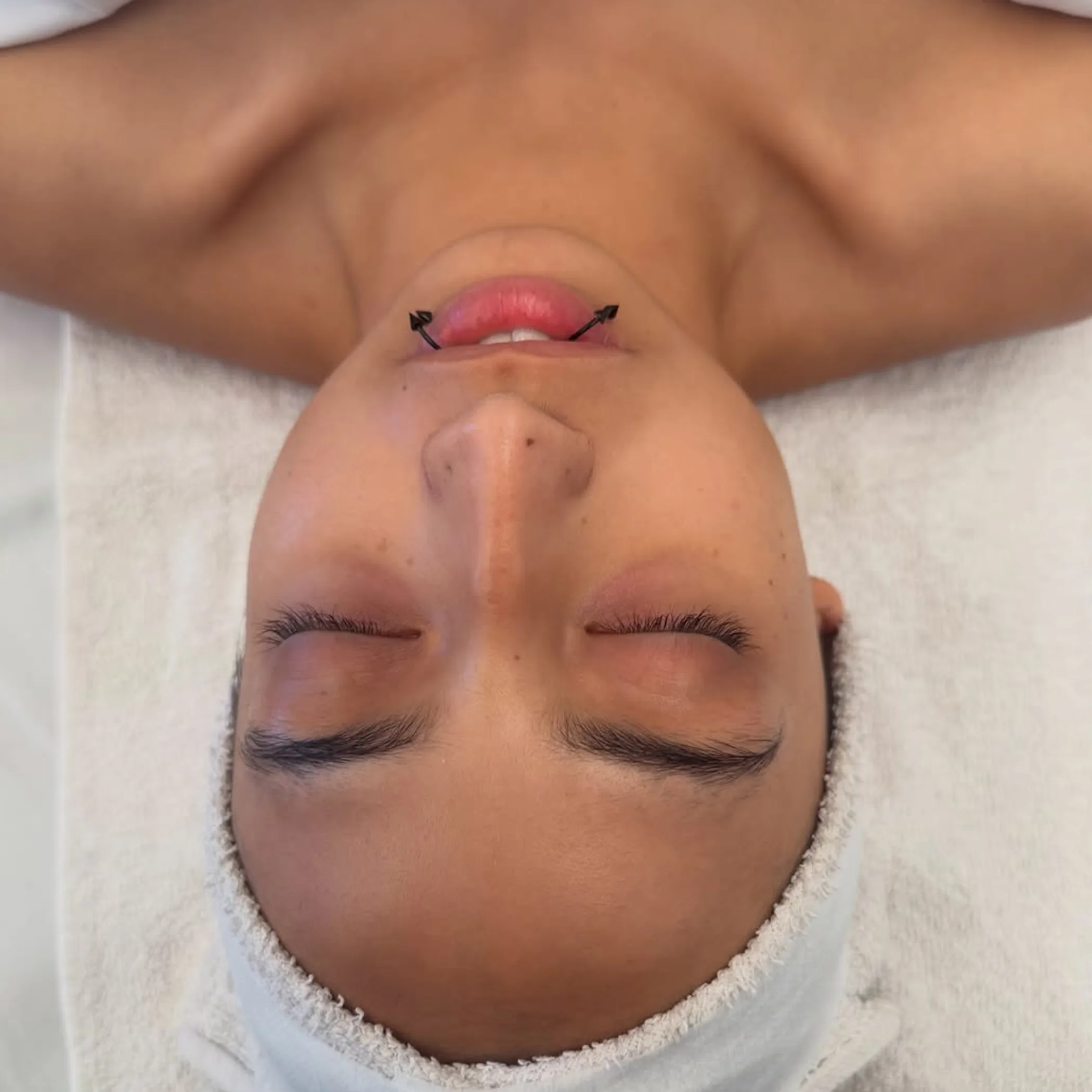
The room should be cool and quiet and the products chosen for how well they are tolerated, not for any instant drama or tingling. A facial for redness ought to be de-stimulating. Some will make the error of thinking dullness requires more exfoliation, but overdoing it will only put further strain on a fragile barrier. It is about limiting what the skin has to put up with.
Look For Barrier Support
Panthenol, glycerine, colloidal oatmeal and ceramides are things some of my clients put up with, others will have a reaction to what is normally a mild product. So a history of your own is more telling than a fashionable ingredient list. A carefully selected mask and a bland moisturiser with a gentle cleanser will suffice.
An LED mask is fine for some, but the settings and the device are of consequence. They are not without risk and eye protection is called for at times. Make sure the therapist is aware of any photosensitising medicines or conditions that preclude light exposure.
Understand Rosacea Risk
With rosacea you are looking at flushing, visible blood vessels, bumps, sensitivity and redness that does not go away. There are a number of things that can make symptoms worse, from heat and steam to friction, strong exfoliation or anything with alcohol in it. Nor will a facial put an end to rosacea; any therapist making such a promise is overstepping.
If you have redness that is new or on the increase, or there is eye irritation to contend with, put down your phone and speak to a health professional who can advise you. Healthdirect has some good information on rosacea for further reading.
Be Wary Of How Hydration Is Handled
One finds many with sensitive skin looking for a facial that is tailor made so as to see results and not have a flare-up. A fair enough desire, but “customised” ought to translate to leaving out what is not suited to you, not a menu of every device the clinic has at its disposal.
Then there are the hydrodermabrasion type procedures which put together cleansing, serum and a measure of exfoliation. Some clients find them agreeable, yet the suction, the pressure, how long it goes on and the strength of the solution all call for some fine tuning. Should the therapist be unable to put you at ease as to how he or she will alter the treatment, opt for something more straightforward.
Inquire As To Suction And Acids
Put in a call before you book to find out if the plan involves active serums, acids, heat or abrasive tips. Make it known if you are prone to bruising or if your skin turns red with washing. Any competent therapist will know to forgo the exfoliation, tone down the suction or stick to a brief hydration protocol.
And do not put an unknown treatment on the calendar right before a wedding or a long flight, let alone a work presentation. You may think it is gentle, but temporary redness is a possibility. I have had my own run-in with this, treating my face prior to a family lunch once; it was presentable in the studio mirror but not so under daylight.
What It Will Cost
Expect to pay in the region of AUD 80 to 250 for a professional facial in Melbourne and elsewhere in Australia, the figure being dictated by the equipment and length of the session. Anything involving an advanced device will set you back more. Make sure you know the full tab before booking and whether you will be charged for the consultation, LED, extractions or products to take home.
Plan on 60 to 90 minutes for the first visit, preparation and consultation included, a follow up to calm the skin will be 45 to 60. Factor in time to get home without having to hurry across a hot tram platform or put in several kilometres in the sun. Sensitive skin does not respond well to such exertions.
Enzymes: Proceed With Caution

Provided the product is mild and the therapist has looked at your routine, an enzyme facial is not out of place for sensitive skin. They can be less of an ordeal than a potent acid, but do not be fooled into thinking “natural” is immune from causing irritation. The same holds for botanical extracts and bio-enzymes. If you have contact dermatitis or allergies in your past, patch testing is still called for.
Stable skin that is a touch dull or rough, but not inflamed or peeling, is a candidate for a mild enzyme facial. The therapist will apply it to skin that is calm and watch your reaction, perhaps not for as long as the manufacturer would have you. Lactic acid in a light peel is another option for some, though pH and strength are determining factors. Under no circumstances should one mix a home retinoid or acne treatment with a professional peel unless the clinician says otherwise.
Leave Exfoliation Alone When Necessary
A compromised barrier, sunburn, fresh waxing or any uncharacteristic reactivity is reason to put off enzymes and acids. Ditto after a laser or injectables or a change in prescription until the professional in charge gives the all clear.
Take your ordinary moisturiser as a guide: if that stings, the skin wants to recover, not be exfoliated. On those days a regimen of simple care at home is the way to go.
Steer Clear Of High-Irritation
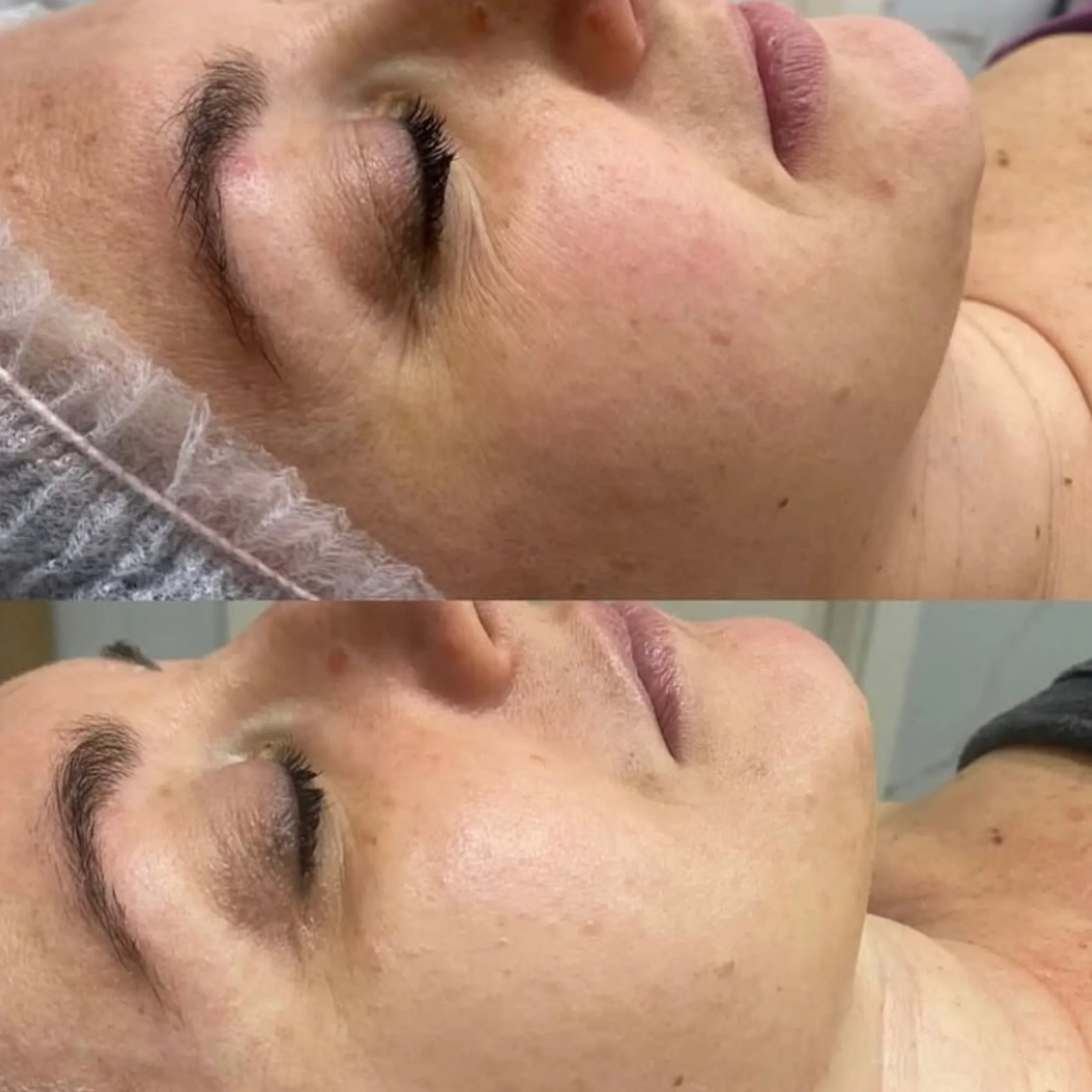
Pain or intense heat is no indication a treatment has done its job; in fact the wrong facial can leave you with dryness and redness and a long recovery. Some things are fine on resilient skin but not when it is reactive. Be open with the therapist as to what you are using, be it benzoyl peroxide, retinoids or a prescription cream.
Common Treatment Traps
- Reactive skin is no match for vigorous massage, hot steam, fragranced oils or high-pressure suction.
- Put off any of these until after a flare of rosacea or recent needling has passed and a professional is in agreement.
- If you try a new product, do not do so in multiples. Have the clinic put down on paper what was used so there is no guessing if you develop an irritation later on.
One has to be careful with intense resurfacing, microdermabrasion and microneedling. While there is a role for them in a plan put together under professional supervision, they are not what one would opt for if the skin is sore, inflamed or in the process of peeling.
Preparation For Your Visit
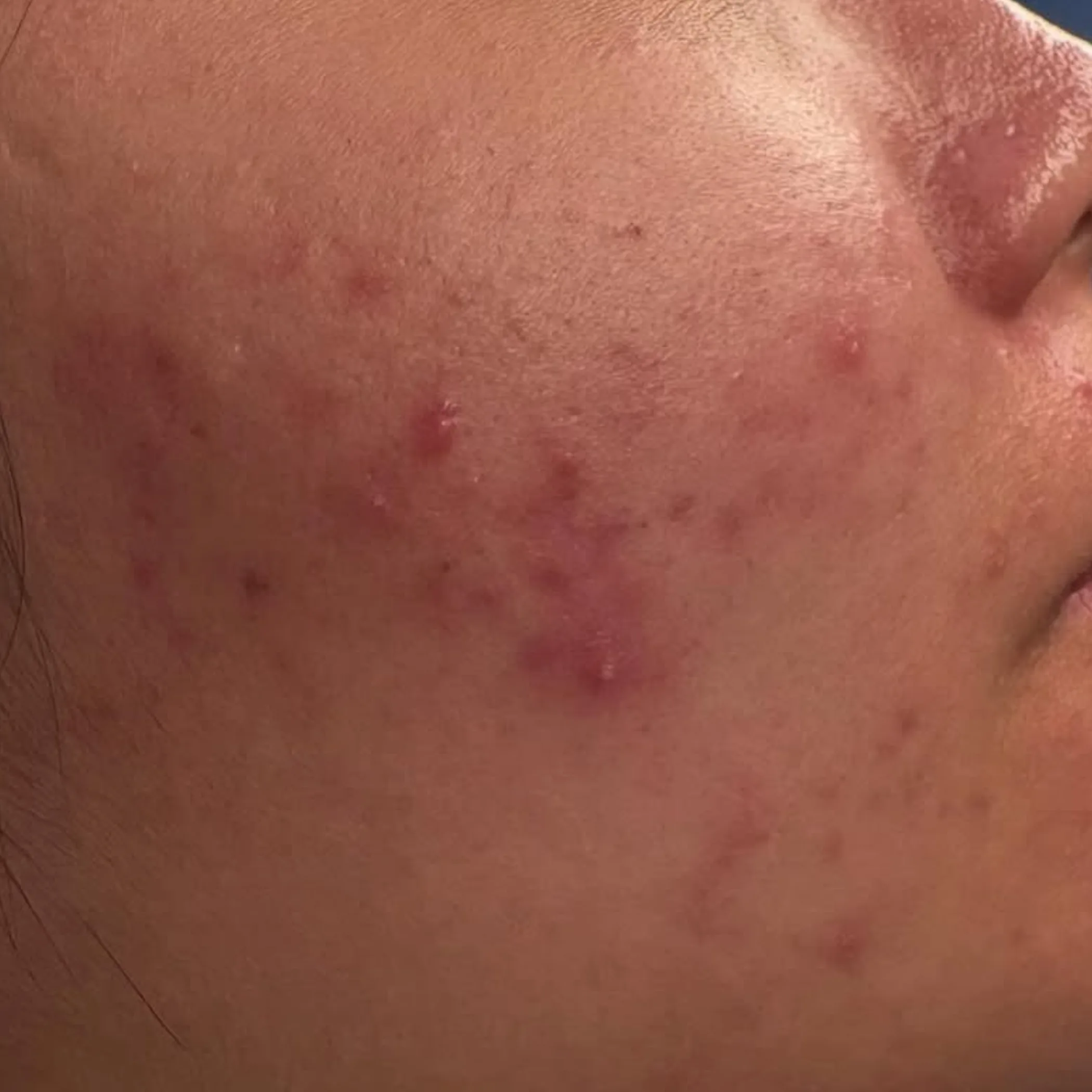
A well prepared client gives the therapist something to work with and avoids any unpleasant surprises. Make sure your skin is clean on arrival, provided it is feasible, yet resist the urge to put on an active product at the last minute or scrub the face to present a “ready” appearance. The therapist wants to see the skin as it is.
In the two days leading up to an appointment, put off trying out new exfoliants, anything with fragrance or a new mask. And if you have been out in the Australian sun of late, let the clinic know. A proper consultation is about being forthright on the subject of exposure, not some polite fiction over a hat that was left behind.
An Appointment Checklist
- Put pen to paper and make note of allergies, prescriptions, what you put on your face and any recent cosmetic work.
- Do not hold back from the therapist on matters of rosacea, eczema, stinging, itching, flushing or breakouts.
- Make inquiry as to whether a patch test can be done and what will be left out should the skin object.
- Insist on no harsh exfoliation, lukewarm water, extractions only where called for and products without fragrance.
- Have a low-activity afternoon in mind after the treatment along with your sun protection.
When it comes to getting to the clinic, pick one where you do not have to put in a long walk in the wind or heat. See how the parking is, check on public transport and lift access. Should you be on a tram or train, take a clean hat and forgo a new product on the way home; the journey back is part of the aftercare even if the clinic does not say so.
Treatments At A Reasonable Pace
There is no set schedule that applies to all, though a facial every four to eight weeks is something most with stable sensitive skin might contemplate. What is important is how long your skin takes to recover, not a calendar prompt.
Should a facial put you out for a few days then it was too much of a good thing, or the aftercare was wrong, or there is another factor at play. It is better to have a shorter session with fewer products than to book a more forceful facial to put right the first.
Recovery And Frequency
Book a conservative appointment and put your skin to the test for 48 hours. Take stock of any burning, bumps, redness or dryness. Provided the skin is comfortable, the therapist will be able to fine tune things next time around.
In the event of a flare, stick to the basics: a broad-spectrum sunscreen you are used to, a good moisturiser and a gentle wash. Do not go about changing everything on the bathroom shelf in one go, it makes for a detective story with little to show for it.
Some Questions I Get Asked
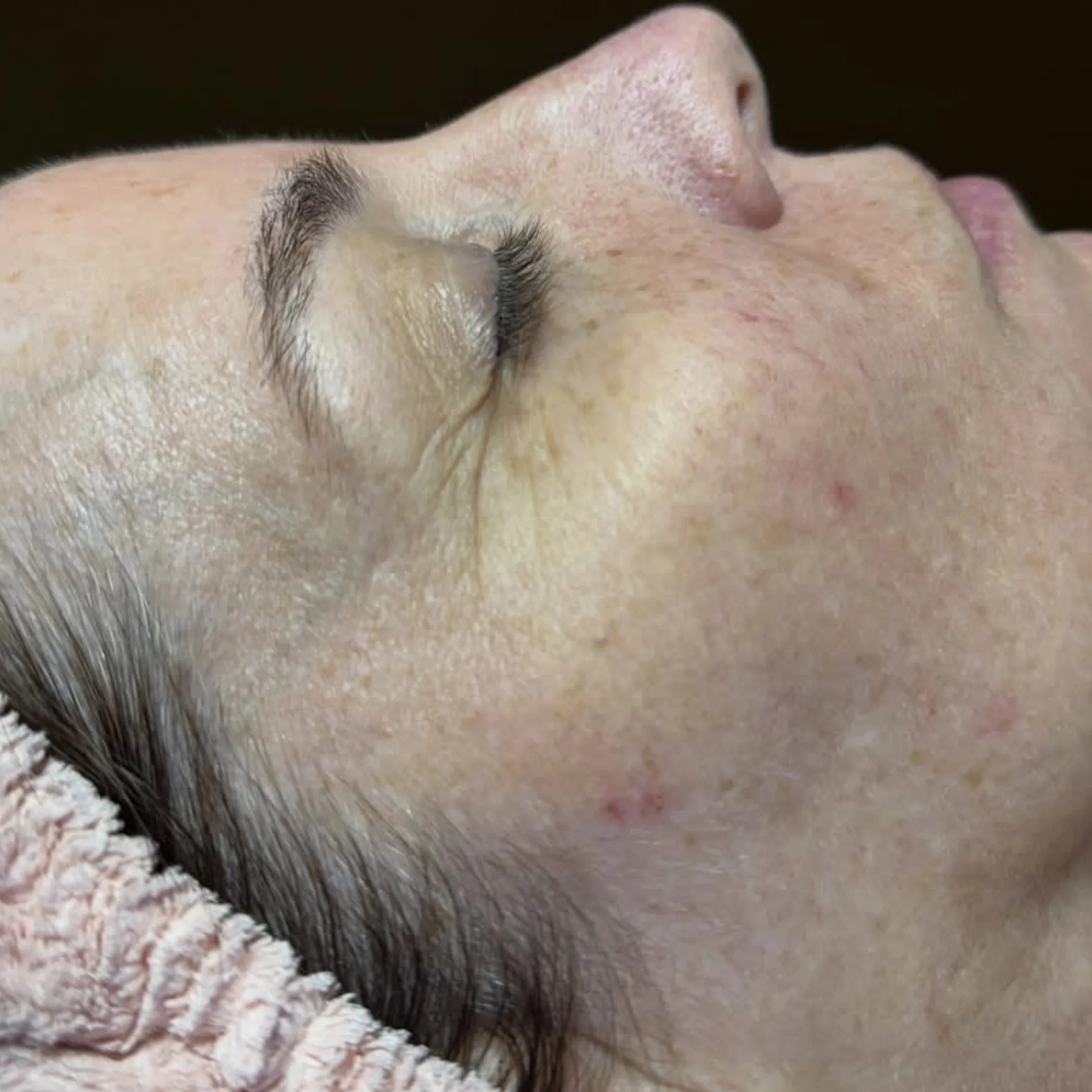
Clients are keen for results but do not want to put their skin barrier at risk. The answer tends to be realistic expectations, open communication and a less aggressive approach.
What kind of facial for sensitive skin?
Generally speaking a hydrating and calming one, tailored to you following a consultation. You will want to see minimal friction, nothing in the way of hard extractions and exfoliation is optional until the skin is in a stable state.
What of a regimen?
Keep it practical. Cleanse gently, protect from the sun and moisturise on a regular basis. Introduce actives sparingly and one at a time; any persistent rash, swelling or burning and you are done with it.
The best treatment?
If the skin is compromised, the safest course is one aimed at recovery. A qualified professional will be the judge of that, but it could be a soothing mask or an LED mask and a barrier-support moisturiser.
Are extractions out of the question?
Not for everyone, provided the congestion is of the right type and the skin has been softened beforehand. But any pinching or digging and repeated pressure will only add to the inflammation and redness.
To have a facial in the midst of a flare?
As a rule, put it off. If the skin is hot, sunburnt, cracked or burning, or is swollen and peeling, do not make the appointment. Put in a call to a medical person if the symptoms are unexplained or severe.
Comfort Is Key
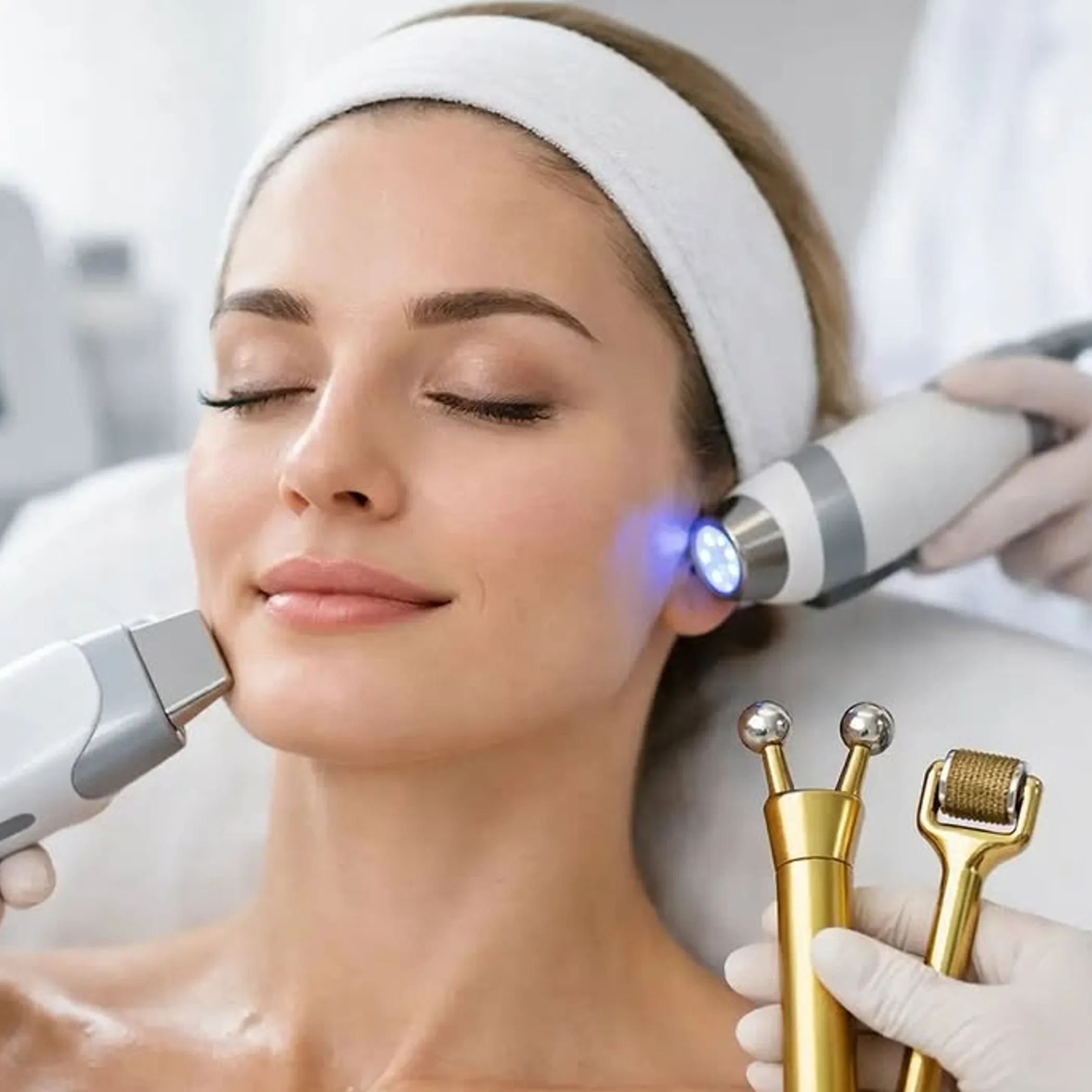
A personalised, calming treatment based on a genuine consultation is the surest way to go. The whole point of a facial is to be supportive of the skin barrier, not to put its structural integrity to the test.
Find a therapist who is at ease in omitting a step and will explain what he or she is doing. With sensitive skin, restraint is the smartest thing in the room and in the end it is cheaper than having to put a flare-up to rights.
