You would be surprised how much aftercare is overlooked. And yet it is important for keeping infection or scarring at bay, for preventing any change in the pigment and to ensure your skin has an untroubled time of it between one session of tattoo removal and the next.
Eleanor Ashbury here. In my years as a skin therapist I have come to understand that what transpires in the days following your treatment can be as consequential as the appointment. To an observer tattoo removal seems straightforward enough but the skin will make its feelings known with inflammation, heat and tenderness, even blisters on occasion; a far cry from the glossy account some are given.
The short of it is, proper care entails leaving the area alone to heal, out of the sun and under light protection. For the first 24 hours put a cold compress on it. If your provider has put a sterile dressing in place, so be it. When you do start to clean up, be gentle with the cleanser and if the clinician thinks it is right for your skin, apply a thin film of petroleum jelly or other aftercare ointment. Equally, there are things you should not do: no soaking, no popping of blisters, don’t pick at scabs and don’t be under the impression that a bit of fresh sun is harmless. It isn’t.
A word before we begin: the protocol for aftercare may differ according to the type of laser, where the tattoo is situated and your skin type, among other things. While this guide is based on best practice, any directions from your treating clinician for sound medical reasons pertaining to your treatment take precedence.
Why it makes a difference to the outcome
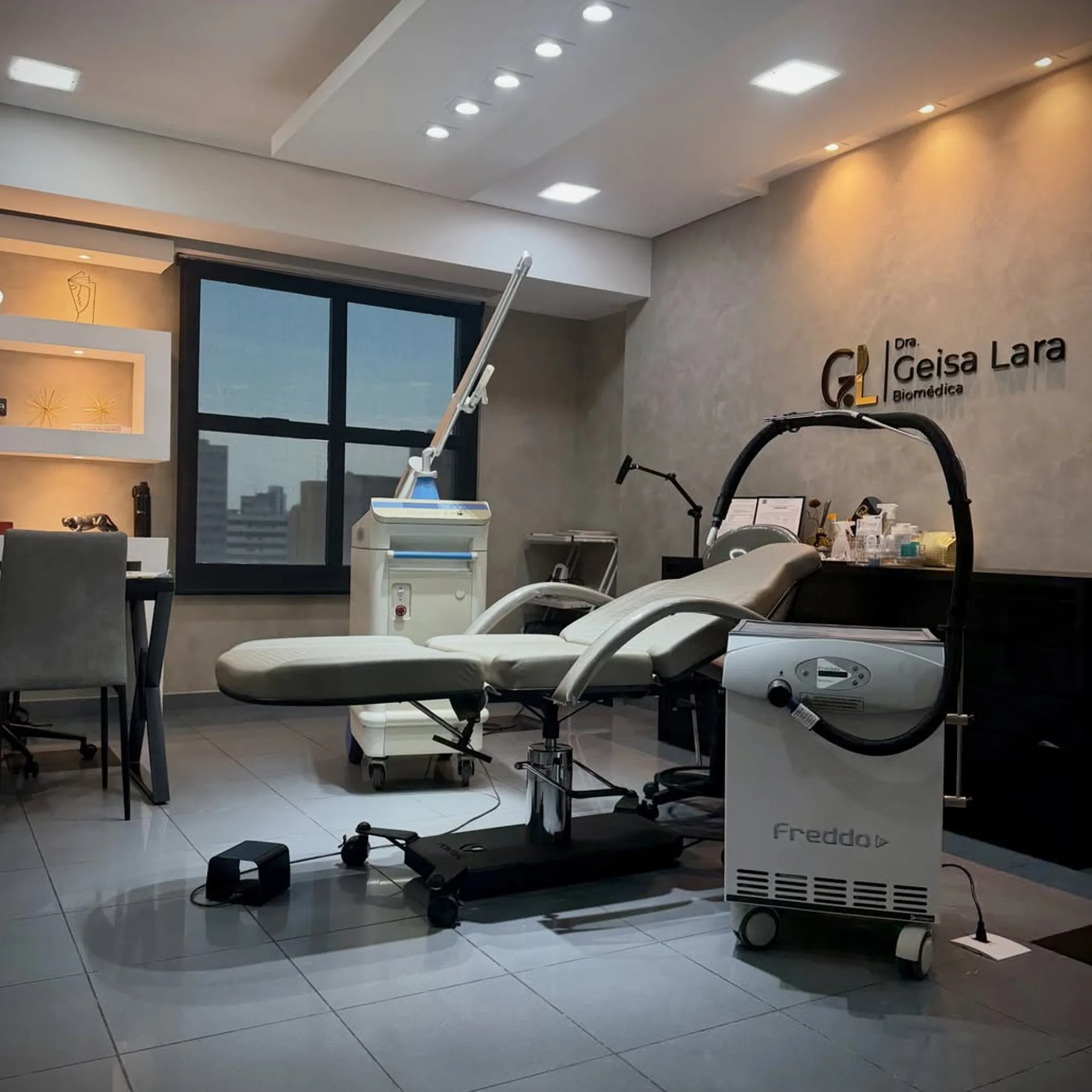
It is an error to concentrate all your attention on the laser and give little thought to the week that ensues. The skin wants to be supported in a calm and consistent manner or you will have marks to show for it that have nothing to do with the ink. Put simply, aftercare, like following proper tattoo removal protocols, is for the protection of a wounded piece of skin while the immune system does its work on the fragmented pigment. Do not expect a uniform healing process; an ankle or ribcage or a large piece of work can be as rough as guts for longer than you might like.
Common misapprehensions
What I see is people regarding it as some minor beauty procedure rather than a wound under control. Whether you are removing an old design or considering cosmetic pigmentation procedures, see What nobody tells you about microblading tattoo in melbourne for a reality check on cosmetic skin treatments and recovery. They will go to the gym that very day or put on any scented cream they can find, or put themselves in the sun for ten minutes thinking it is of no consequence. With melanin-rich or sun reactive skin in particular that is a recipe for more inflammation and the possibility of hyper or hypopigmentation.
Then there is the notion that “dry it out” is the way to go. You will only crack the healing skin and agitate it further. But smothering it in heavy products without being told to is just as bad, trapping moisture and heat. Best to be minimal and consistent about it.
The importance of the first 24 hours
This is the period when the redness and swelling are most in evidence and where good habits count. So make a note of this part of the guide. Cool, clean and covered (if you have been advised) is the order of the day. No DIY experiments or heroics after your tattoo removal.
To get started
Your provider will likely have put a dressing on you post removal. Let it be for the duration they suggest. When you do remove it, wash your hands and if the skin is hot or throbbing, use a cold compress with a clean cloth over it for 10 to 15 minutes. Not ice straight on the skin, that is too much for tissue already under stress.
Where you can, elevate the area to deal with any swelling.
Have some loose, breathable clothes to wear over it.
And as for when to reapply a sterile dressing or start washing, you will want to follow what your provider has put in writing.
Early mistakes to put aside
In the first 24 hours after tattoo removal, do what you can to avoid sweat, heat and friction. You will want to forgo hard workouts, keep hot showers from running over the area and do not be tempted to scratch should it get prickly. Should you have work done on an ankle or foot, you can count on walking in anything constricting being a nuisance.
Swimming is out as well as hot tubs. Freshly treated skin and open water or a spa are not a good combination after tattoo removal; apart from the infection hazard, the soaking of delicate surface tissue is apt to worsen any blistering or irritation.
Care for Days 1 To 7
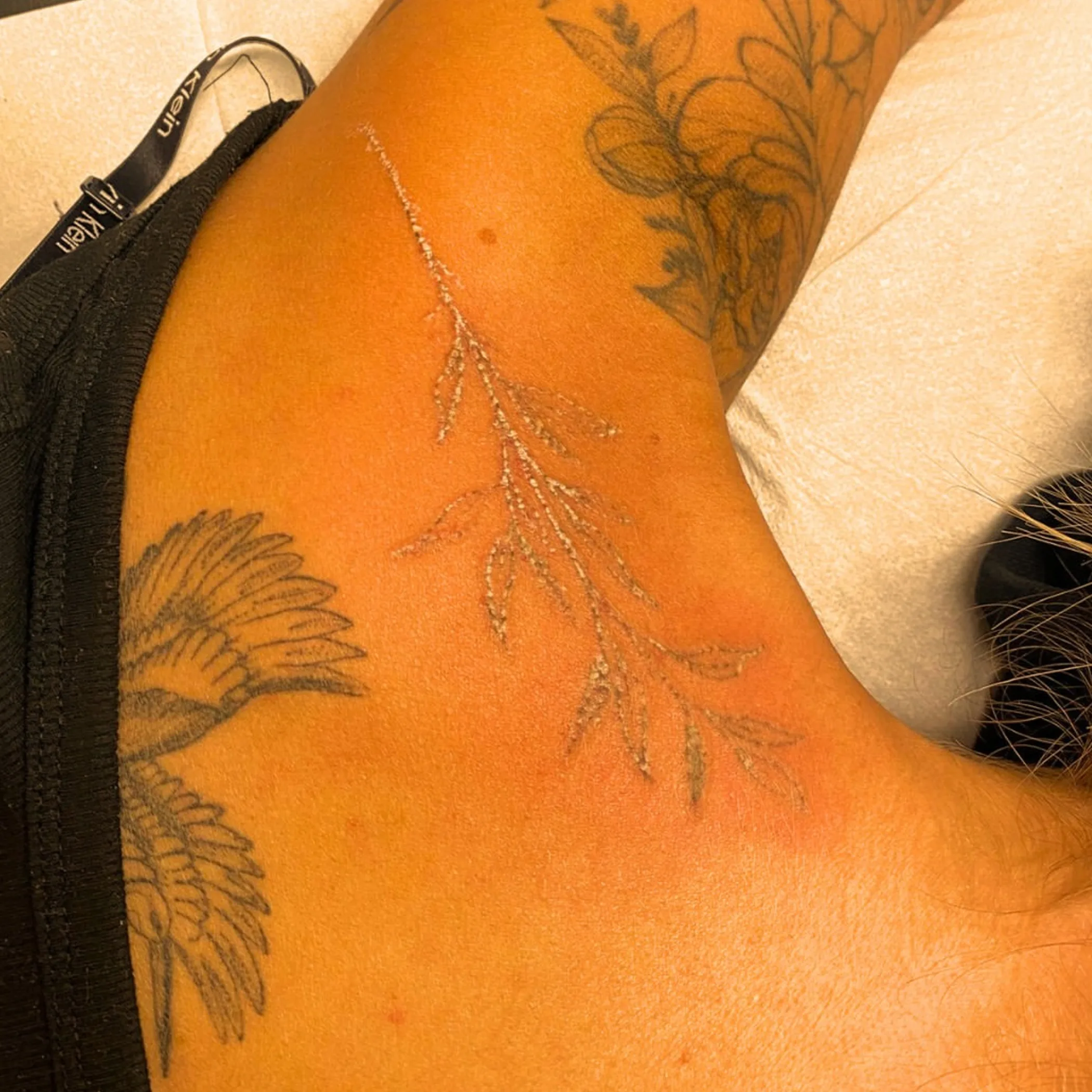
The area will put on a show and look worse before there is any improvement, which is to be expected even if it is unsettling without forewarning. You may see redness give way to dryness, some flaking or darkening, the odd pinpoint scab or a bit of mild blistering that requires tending to.
Consider this week’s maintenance unexciting but necessary. There are no shortcuts here, only the kind of post laser tattoo removal care that leaves the skin barrier intact and allows healing to proceed.
Cleaning
When your provider gives the all-clear, be gentle with the area using lukewarm water and a good cleanser. A clean towel to pat it dry will do, or let it air-dry. One does not scrub or go at it with a loofah as though it were grout; newly lasered skin will not take kindly to it.
A thin layer of aftercare cream or ointment is all that is called for if that is the instruction. The clinic might put in for petroleum jelly or a plain healing ointment, in some instances a clinician will want an antibacterial one. Heed what is put forward for your particular case and treatment area. Vaseline is a familiar name to most but being well known is not the same as being right for you.
To dress or not
A sterile dressing for a while is better for some, particularly where clothing is a constant rub. For others once the heat has passed, being uncovered is preferable. Your provider’s approach and the placement of the tattoo removal will dictate it.
People make the mistake of over-covering. A bandage that is left to get damp and dirty is more of an irritant than an aid. With tattoo removal the rule is to have it clean, dry and changed as you are told, rather than putting it on and leaving it to chance.
| Time Period | What to expect | How to deal with it |
| 0–24 hours | Heat and swelling, tenderness and redness | Put on a cold compress, rest, put a dressing on if so advised and stay clear of friction |
| Days 1–3 | Some darker pigment, dryness, blisters of a mild sort | Use a gentle cleanser and a little aftercare cream, don’t pick at it |
| Days 4–7 | Flaking, small scabs and itching | Protect from rubbing, keep it clean and lightly moistened |
| Weeks 2–4 | The surface will be better for it though pigment is still working its way out below | Sun protection is in order and watch for any late coming irritation |
| 6–8+ weeks | Fading continues between sessions | Have a word with your provider prior to the next round of tattoo removal |
Pain And Swelling
Some discomfort is par for the course. It is often likened to a sunburn with some attitude: tight, warm and stingy. In most cases it is nothing to worry about unless it is in a bony spot or where clothes chafe, then it can seem more pronounced.
The idea is to put down the inflammation without riling up the skin. Don’t slather on products after tattoo removal just to feel like you are doing something.
In Practice
A cold compress has its uses in the first few hours after tattoo removal, applied in short spells. Cotton clothing that is loose is also of more help than one would think. If a bra or sock or backpack strap is going to be on top of the treated area, plan for it. Friction is a bother.
Then there is the matter of returning to work. A mark on the upper arm is easily dealt with. A large one on the ankle ahead of a day on your feet is different. You can get back to your routine in no time technically but convenience and comfort are two different things.
Blisters, Scabs, And Itching
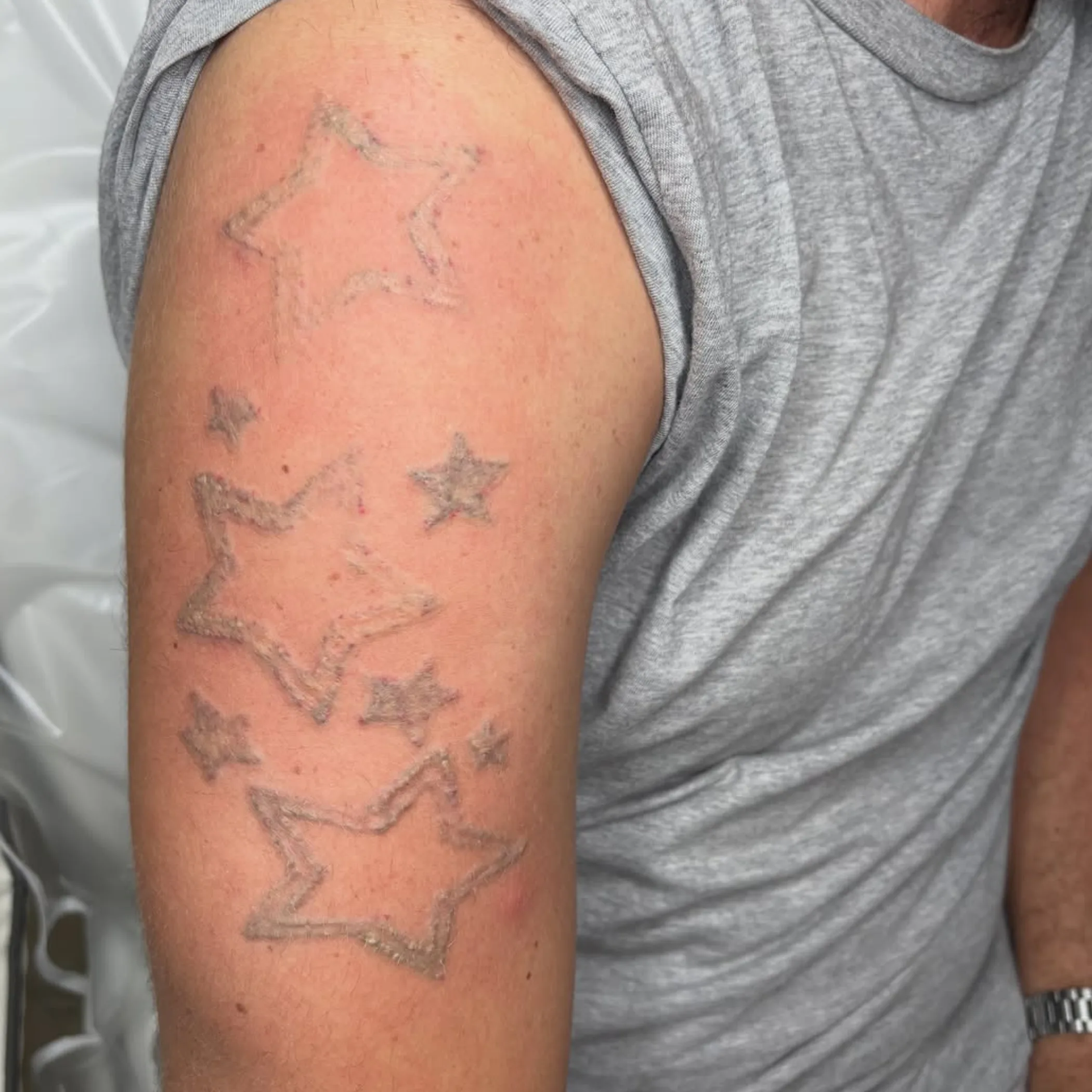
This is what gets people to panic and put their fingers to things they shouldn’t. With dense pigment or strong settings, a bit of scabbing and blistering is part of the process. It is annoying but hardly a calamity.
Just protect the skin and let it close. Problems after tattoo removal are born of picking and peeling and “draining it off a little”.
Don’t touch the blisters
Hands off is the way to go with scab and blister care in the wake of laser tattoo removal, unless your provider has said something to the contrary. An unbroken blister is a form of natural protection; put it at risk by popping it and you are inviting infection and possibly some scarring.
Should a blister decide to break, be gentle in cleaning it and pat it dry. Then do as your clinic would have you for product use and a sterile dressing. Provider guidance is key here. You will find general aftercare material from any number of clinics, Removery or LaserAway being among those people tend to look up, but the clinician who has been treating you is in a better position to judge how your skin is responding than the internet.
Dealing with Itches
An itch is to be expected as the surface mends itself post removal. Do not give in to scratching. Keeping the area cool and from getting too dry will help, as will a thin application of an aftercare cream you have been given the nod on.
If it gets to be too much, or you see a rash that is more than what was treated, put in a call to your provider. Better to have them review it for signs of an allergy or irritation than to make guesses at home.
There is no getting around Sun Protection
Sun protection is perhaps the aftercare step most readily overlooked with laser tattoo removal, yet nothing else does as much to forestall marks of a permanent nature. Skin that is healing is only too susceptible to pigmentation issues once it has been in the sun.
In Australia this is all the more so. The UV here is no joke. A stroll to the café can leave a treated forearm with more exposure than one might think, hot or not.
Protecting the Skin
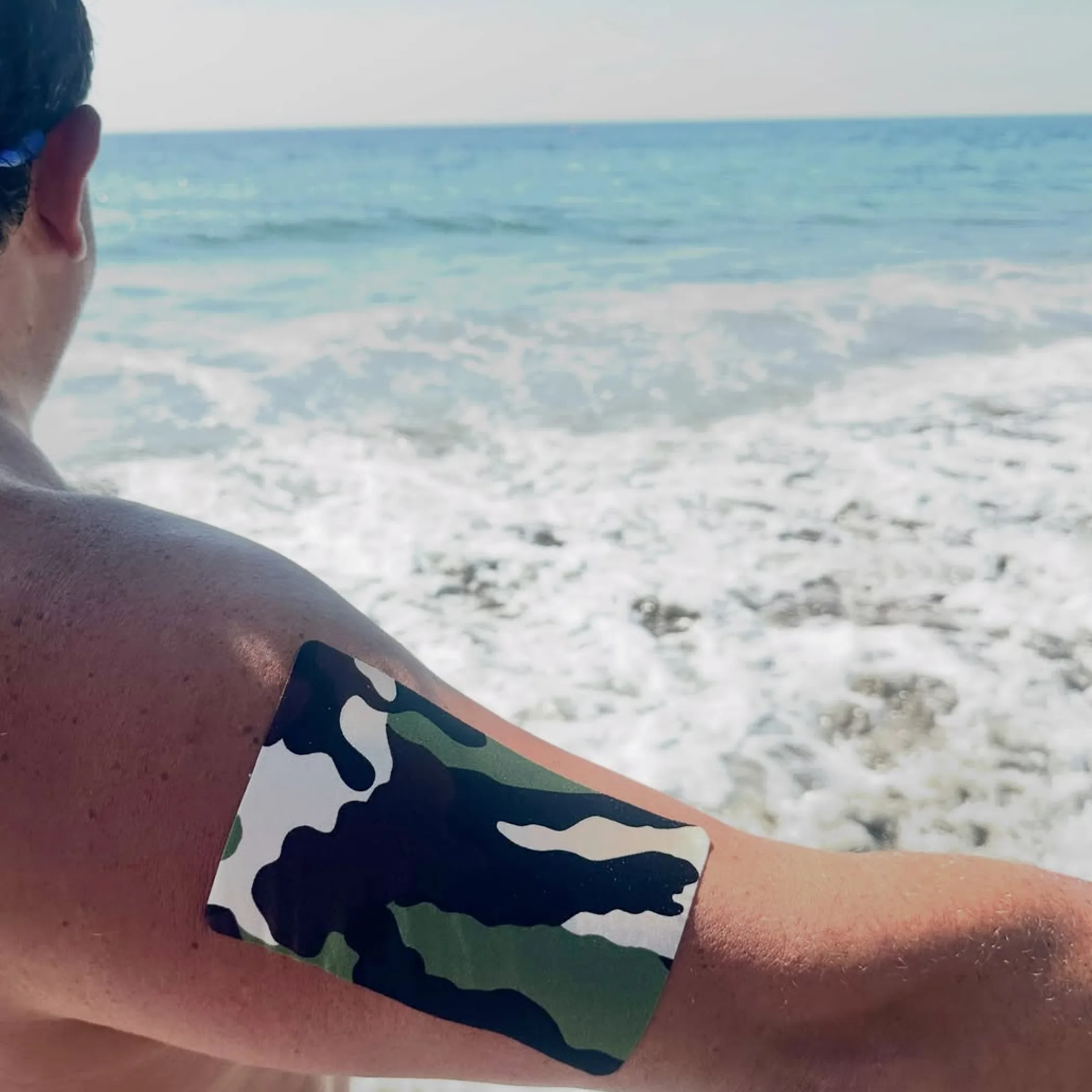
While the skin is in the process of healing, keep it from the direct rays of the sun. When your provider gives you the all clear for sunscreen, put on a broad-spectrum SPF and reapply as the label says if the area is out in the open. But in the early going physical barriers such as sleeves, a clean dressing or loose trousers are to be preferred over SPF. For sound advice on the matter the Australian Government’s sun and UV information is a good place to start. After a tattoo removal, UV is a real issue for pigment and scar prevention, not merely cosmetic.
Products That Are Worthwhile
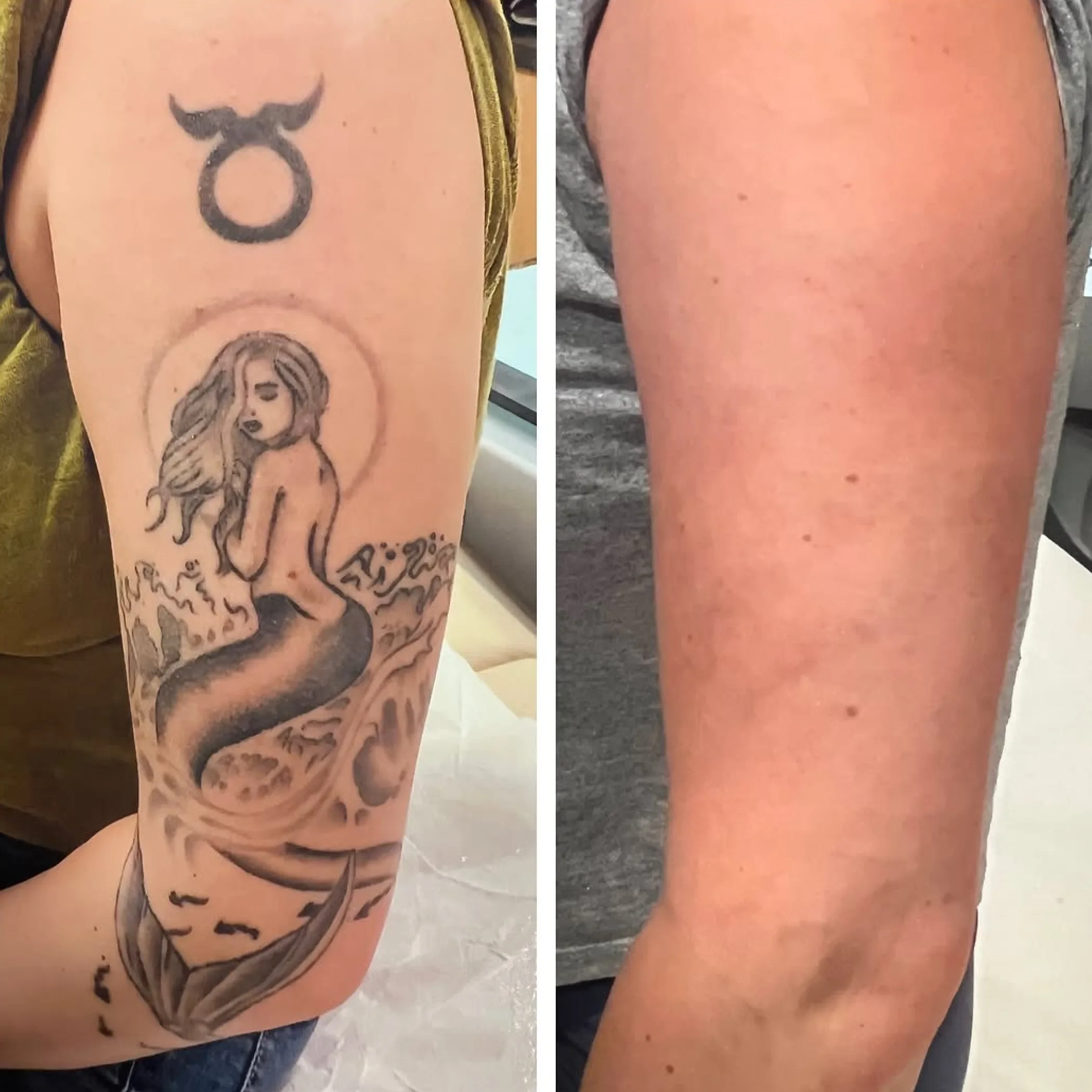
You don’t require a cabinet full of miracle cures to heal. Your routine will be fairly unexciting, a disappointment to those with a well-stocked shelf, but simplicity is best. People make the mistake of overcomplicating or overspending. The cream your provider puts forward to lightly protect without causing any aggravation is generally the best option.
What you will come across
A basic aftercare cream, a gentle cleanser, and in some protocols petroleum jelly or an ointment from the clinician are typical recommendations. An antibacterial ointment may be called for in some cases, though not all. More is not necessarily better.
One can get an idea of things from YouTube or DCS I Online, Atlantic Tattoo Removal, but let that be background. The prudent course is to select a product in keeping with your skin type and how the area is faring, and what your provider has instructed.
Things to Leave Alone
Fragranced lotions, retinoids, exfoliating acids and heavy occlusive products should be left well alone unless advised. Tanning products over the area during the healing phase are also to be eschewed; they have a way of masking irritation and you will be none the wiser as to what is normal.
Nor should one pick at scabs or flaky skin, or pop a blister without express instruction from the clinician.
Baths, the ocean, pools and spas are off limits until the area has healed.
And do not put active skincare or home remedies on skin that is still healing.
It Is a Longer Process
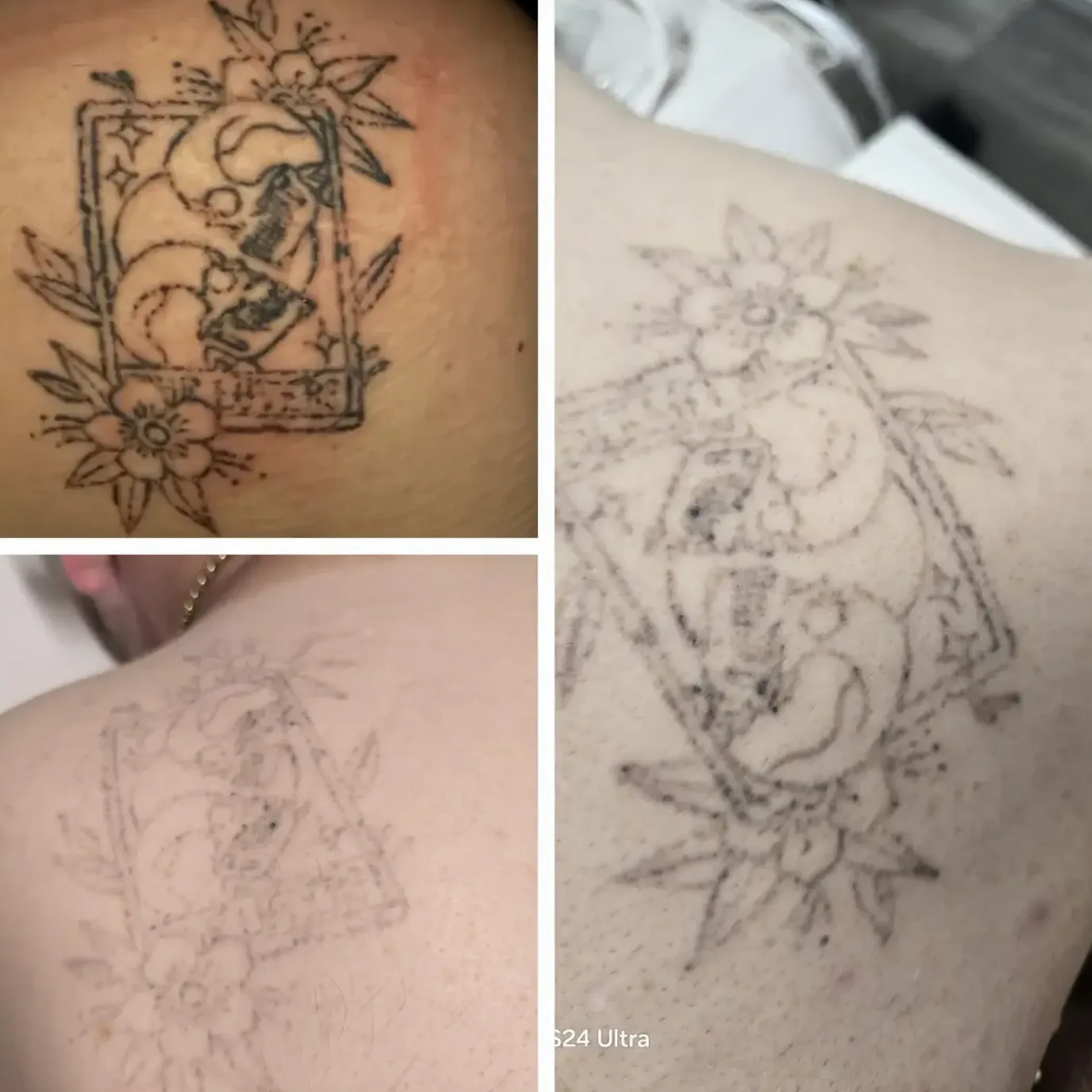
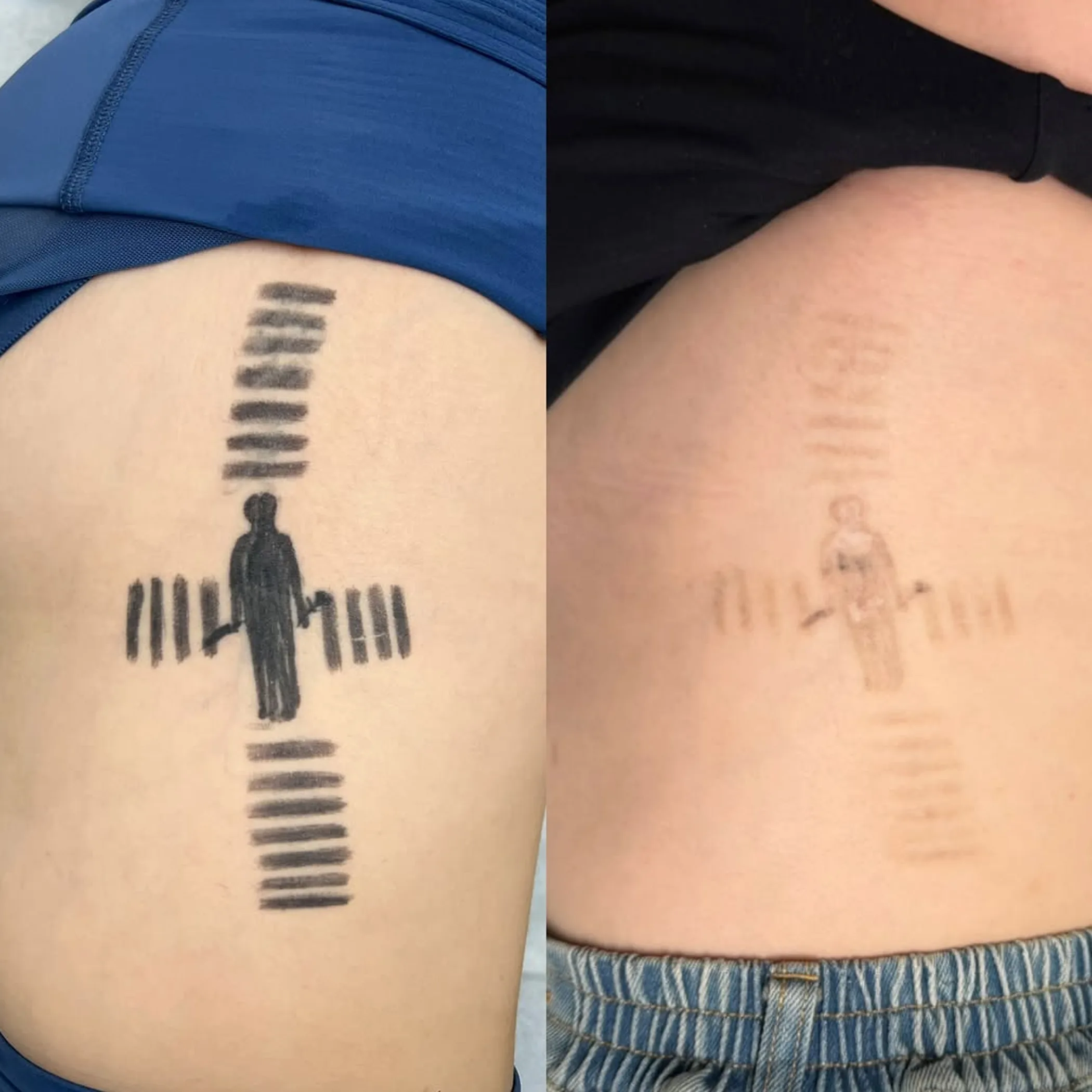
The top layer may appear to have calmed in a week or two but the deeper work of ink clearance by the immune system goes on for longer. They are not the same thing. There is little point in putting stress on the skin by returning for another session in a hurry.
As for expectations, there is often a desire for a marked degree of fading from every visit. There are times you will have to put up with it. The change can be of a subtle, cumulative nature, as is normal when one has to do with older dense work or stubborn colours and layered tattoos that have been through a removal process.
Clinics will tell you to allow 6 to 8 weeks or thereabouts between sessions; the published guidance is clear on that if the case warrants it, but in practice the timing is not set in stone. How long it takes to heal properly is a matter of the skin’s response, the depth of the ink, where on the body it is, your immune system and any blistering or irritation from the tattoo removal. Should your provider put more time in between, consider it an exercise in caution rather than putting things off for no reason.
When To Get Proper Help
For the most part healing is predictable: some redness and tenderness, dryness, flaking and then it will settle down, perhaps with a blister or two. But it does not always go to plan. Being aware of the warning signs after tattoo removal will spare you much grief.
Have an instinct that something is amiss? Act on it and ring your provider. A sensible phone call is preferable to letting a minor matter turn into a proper mess.
Red Flags
You should put in for professional advice if, following tattoo removal, there is pus, a foul odour, fever, marked swelling or a rash outside the area treated, or if the pain is on the increase past the first day or so. The same goes for severe blisters or skin that has taken on an odd pallor or darkness, or any suspicion of infection.
Then there is the matter of hypopigmentation or hyperpigmentation. Even with good care this can occur, especially on sun-exposed skin or in the wake of inflammation. An early review will put you in the picture as to whether it is to be expected, is temporary or calls for a change of plans.
Who This Guide Is For
We have written this for those undergoing standard laser fading who want their answers without the varnish of a brochure. It is of particular use to someone having his or her first treatment and unsure what a day in the life of “normal healing” entails.
It is not a substitute for medical advice if you have had a wayward reaction in the past or have keloid scarring, an immune problem or a history of skin disease. In such instances general internet guidance is of little consequence.
Eleanor’s Final Word
To be frank, people do not give enough credit to the patience required afterwards, not the sting of the laser. You cannot expect neat results by next Friday; the skin has no such consideration. Tattoo removal is a slow-burn affair.
Do not fuss over scabs or blisters. Heed the clinic’s instructions for aftercare even if you are inclined to freestyle. A steady, unglamorous method is what will serve you best and keep the drama at bay.
Frequently Asked Questions
What Is Off Limits After Laser Tattoo Removal?
Nothing harsh. Do not pick at scabs, pop blisters, scrub or soak in a bath or pool. Put off the hot tubs and heavy sweating and anything tight that might rub until you have healed.
And what makes for good aftercare?
Simplicity. A cold compress for the first day, a gentle cleanser when you are told to, the ointment or cream they have recommended and nothing else. Shield it from friction and put on SPF when the skin is ready.
What I Wish I Had Known
That the aftercare has more bearing on the outcome than one would think, and that the intervals between sessions are for good reason. Also that a bit of sun can negate all your careful progress and the fact that blisters are part of the deal.
Recovery Time?
A week or two for the surface to heal, give or take, depending on the skin and location. Deeper clearing is another matter which is why you will see providers book 6 to 8 weeks out or more.
Vaseline?
Only if it is part of the aftercare plan your provider has in mind for your tattoo removal. Some clinicians like a petroleum jelly product, others will have a preference for a different ointment according to the treatment area and how the skin is responding.
